
The Role of Smart Home Technology in Appraisals and Valuations
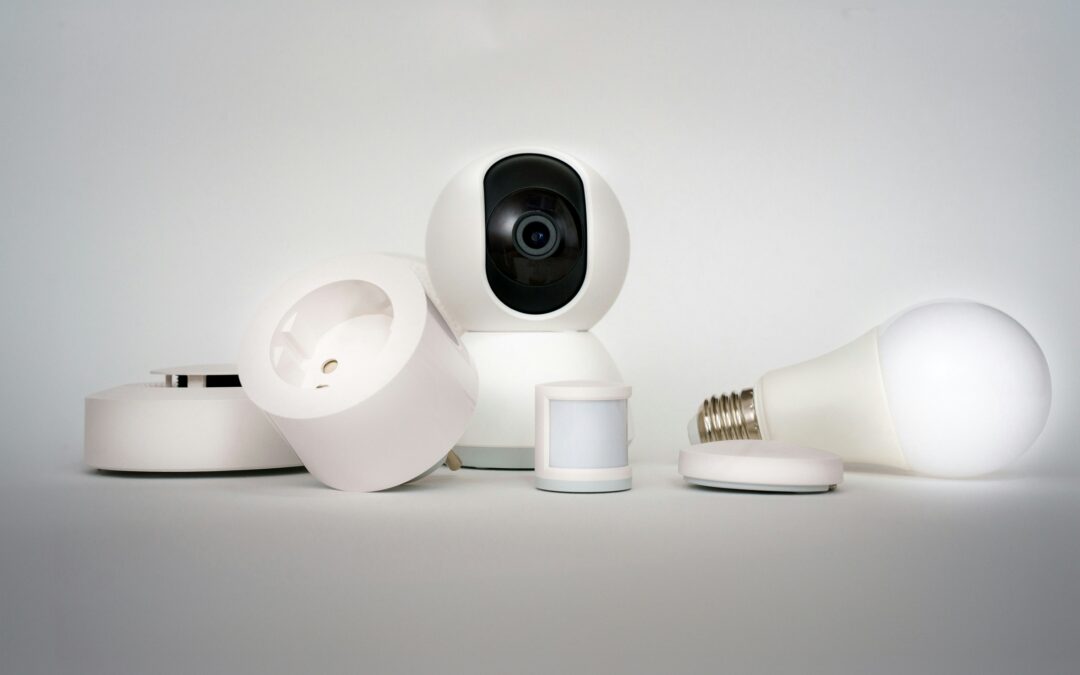
Smart home technology is becoming an increasingly common feature in today’s housing market, shaping how homes are perceived and evaluated. As these innovations seamlessly integrate into everyday life, they often bring added convenience, and with that convenience can come added value. However, not all tech upgrades are created equal. Some missteps can actually hurt your home’s resale value. Understanding how smart features factor into appraisals and valuations can help ensure your investments work in your favor rather than against you.
How Value is Measured
From an appraiser’s perspective, value is determined by market reaction — not simply by the presence or cost of a smart home feature. The key question is whether buyers in a specific market are willing to pay more for the technology. Features that enhance convenience, improve efficiency, increase safety, or reduce long-term costs are often viewed more favorably in the marketplace. Ultimately, a smart upgrade is only as valuable as the demand for it.
Location and target demographics also play a significant role in valuation. The expectations of buyers in a 55+ community, for example, may differ from those in a tech-forward urban market. A highly complex system might appeal to buyers in a vibrant city center, but feel overwhelming or unnecessary in other settings. It’s equally important to consider whether the technology offers tangible financial benefits, such as lowering utility costs or improving energy efficiency, as measurable savings can strengthen its perceived value.
Technology That Adds Value
Smart technology adds value when it aligns with market expectations, supports everyday living, and appeals to a broad range of potential buyers. Technology that enhances a home’s functionality, efficiency, or security, and is widely accepted by buyers, tends to contribute more positively to overall value.
Features that are permanently integrated into the home, professionally installed, and easy for a new owner to operate typically carry more weight than standalone or highly-personalized systems. When buyers recognize and are willing to pay for these benefits, the likelihood of value contribution increases.
Examples of smart features that often deliver value include programmable or learning thermostats, integrated security systems, smart door locks, video doorbells, energy-efficient lighting systems, entire-home generators, WiFi mesh systems, and whole-home automation platforms that control lighting, climate, and security from a central hub.
Technology That Doesn’t Add Value
Not every tech upgrade translates into a strong return on investment. In fact, some costly additions may contribute little (or nothing) to a home’s appraised value. From a market standpoint, overly customized or niche systems, rapidly-outdated technology, and complex setups that feel intimidating to the average buyer often fail to generate measurable demand. Features that require ongoing subscriptions, specialized maintenance, or expensive repairs can also diminish perceived value.
For homeowners focused on long-term resale, the key is to invest thoughtfully. Technology should enhance broad market appeal and functionality—not limit your buyer pool or introduce unnecessary complications.
Are You Looking to Purchase a Home?
If you’re thinking about purchasing a home, our team of local mortgage professionals is here to guide you every step of the way. From exploring mortgage loan options and securing pre-approval to navigating interest rates and financing strategies, we help you make informed decisions that fit your budget and long-term goals. Whether you’re first-time home buyers or looking for your next home, we’re committed to making the process smooth and clear. Reach out today to get started.